Engaging Your Next Commercial Building Expert
Learn How a Commercial General Contractor Can Enhance Efficiency and Achieve Success in Your Construction Endeavors
A commercial builder is crucial in the construction industry. Their expertise simplifies project oversight, leading to greater efficiency and successful outcomes. By managing communication among project participants and leveraging relationships with subcontractors, they assist in navigating the complexities of construction projects. Familiarity with local regulations also mitigates potential compliance issues. This brings up a key point: how do these factors come together to transform the construction process?
The Role of a Commercial General Contractor
A GC directs the complicated workflow of building projects, making sure all parts runs efficiently from start to finish. They are the central point of communication, coordinating between various stakeholders, including clients, subcontractors, and vendors. This role involves meticulous planning, scheduling, and budgeting to meet project timelines and financial constraints.
The contractor supervises all site operations, ensuring compliance with building codes, safety regulations, and quality requirements. They are tasked with securing necessary permits and managing any legal requirements required for the work. In addition, they manage the workforce, assigning tasks to skilled tradespeople while watching output and productivity.
In addition to managing day-to-day work, the contractor addresses any issues or delays that arise, adapting plans as necessary to ensure timely completion. This thorough supervision is essential for lowering risk and guaranteeing the successful outcome of commercial building projects.
Benefits of Using a General Contractor
Hiring a general contractor yields several benefits that can greatly enhance the efficiency and success of a building endeavor. One major advantage is their expertise in managing complex projects, facilitating easier communication among various project participants. This unified approach reduces miscommunication and reduces possible delays.
Furthermore, general contractors maintain strong ties with subcontractors and suppliers, securing quick access to high-grade supplies and qualified workers. This structure can result in cost savings and more efficient timelines.
They also bring a lot of expertise concerning local construction laws and rules, which assists in avoiding legal complications and costly fines.
Moreover, employing a contractor allows project owners to focus on their core business activities, instead of being burdened by daily construction management tasks. In conclusion, utilizing a GC often yields a more systematic, effective, and successful building project, thereby ensuring a higher return on investment.
Key Responsibilities in Project Management
Successful project execution relies on several key responsibilities that a general contractor must copyright during the project's duration. A primary aspect of this job involves creating a clear project scope, which specifies the goals, schedules, and financial limits. The contractor collaborates with various stakeholders, including architects, subs, and vendors, ensuring smooth communication and cooperation.
Additionally, they handle assigning resources, managing labor and materials to maximize effectiveness. Evaluating risks is a further crucial task, as the contractor needs to recognize possible obstacles and implement strategies to mitigate them. Frequent oversight of work is crucial; the contractor assesses finished work against project milestones, making necessary changes to stay on track.
In addition, a general contractor ensures adherence to building laws and safety guidelines, promoting a secure job site. Via these tasks, they maintain a thorough approach for managing projects, driving overall success in building projects.
How General Contractors Ensure Timely Completion
While challenges in construction timelines are common, general contractors utilize strategic methods and proactive management to ensure projects finish on schedule. They begin by developing comprehensive schedules that specify all project phases, listing key stages and due dates. By breaking the project into manageable tasks, they manage resource distribution well and foresee possible setbacks.
Frequent status checks is also a vital element; general contractors evaluate the project's state relative to the original plan, making modifications as required. They also practice risk assessment, spotting possible problems soon and devising contingency plans to reduce setbacks.
Moreover, general contractors keep solid connections with vendors and subs, making sure supplies and workers are ready at the right time. This anticipatory strategy encourages responsibility across all involved parties, contributing to a streamlined workflow. Ultimately, these strategies culminate in enhanced efficiency, minimizing the chance of overruns and ensuring that projects are concluded within the timeline.
Improving Communication and Collaboration on Site

To boost information flow and cooperation during building projects, GPs establish formalized methods that streamline communication among all team members. Such procedures typically involve scheduled gatherings, defined ways to report problems, and the application of technology that allow for real-time updates. By creating a structure for discussion, contractors make certain that all stakeholders—architects, subcontractors, and workers—are united regarding project goals and timelines.
Furthermore, promoting openness allows issues to be resolved quickly, minimizing the chance of misunderstandings that can lead to delays. GPs also welcome input from every tier of personnel, understanding that knowledge from field workers can considerably improve project efficiency. By prioritizing communication and collaboration, general contractors do more than just optimize processes but also enhance team morale, in the end leading to the success of building projects. The result is a better integrated workplace where challenges are met with shared solutions.
Commonly Asked Questions
Which Credentials Should I Seek in a GC?
When looking for a GC, one should prioritize qualifications such as proper licensing, insurance, experience in relevant projects, strong references, and effective communication skills. These elements significantly add to smooth project delivery and total customer contentment.
How Do General Contractors Handle Project Budgeting?

General contractors handle job finances by determining prices, collecting offers evidence from vendors, monitoring costs during the job, and making budget changes as required. Hickory top rated Commercial General Contractor. They ensure that funds are appropriate for the project, optimizing effectiveness and lessening fiscal dangers
Is a GC Able to Help With Permits and Regulations?
Yes, a general contractor can assist with permits and regulations by providing direction on the difficult mandates, making certain local statutes are followed, and facilitating the application process, ultimately streamlining project progression and reducing possible holdups for customers.
What is the Standard Duration for Hiring a General Contractor?
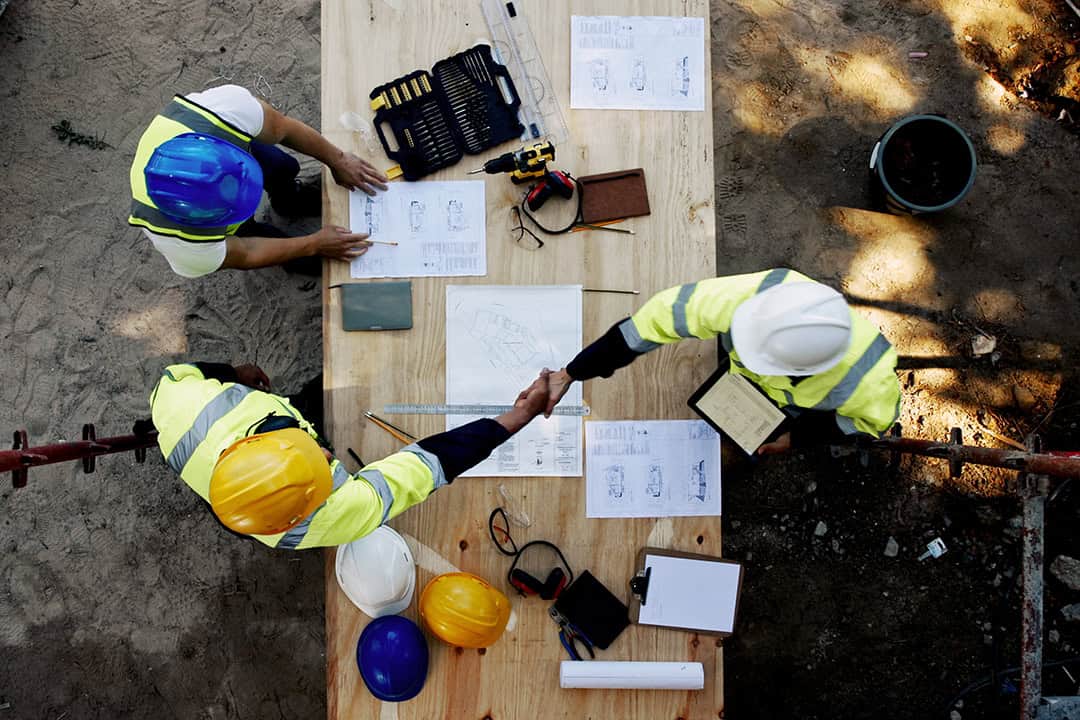
The usual duration for hiring a general contractor ranges from a few weeks to several months, depending on project complexity, the availability of the contractor, and the client's decision process, to ensure proper planning and that goals are aligned with construction. - Hickory top rated Commercial General Contractor
- Hickory top rated Commercial General Contractor
How Can General Contractors Effectively Manage Subcontractors?
General contractors manage subcontractors effectively by setting up clear lines of communication, establishing specific expectations, regularly monitoring progress, and aligning timelines. They guarantee that all parties understand their roles, fostering collaboration to adhere to the project timeline and copyright quality standards.